
Preparing for a Dry Eye Evaluation in Dawsonville: What to Track Before Your Visit
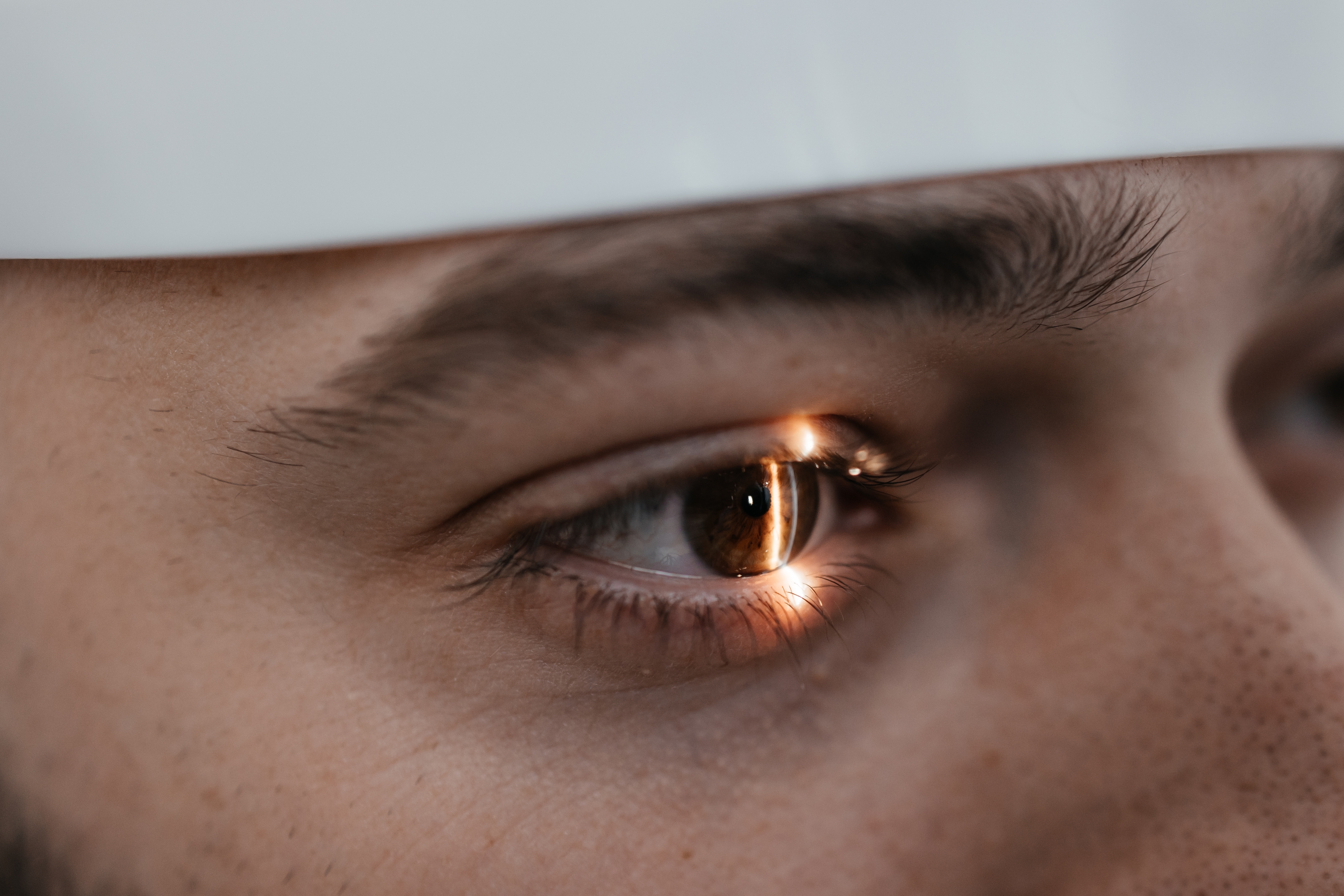
Dry eye symptoms can change throughout the day, making them difficult to describe once you are in the exam chair. You might notice burning during your morning commute, blurry vision after working on a computer, or watery eyes when you step outside. At Dawson Eye Group, we encourage patients to pay attention to these patterns before a dry eye evaluation in Dawsonville. A few notes can help us better understand your concerns and decide what to examine.
Notice When Your Symptoms Appear
Dry eye can develop when tears are insufficient or do not stay stable on the eye's surface. Symptoms may include grittiness, stinging, redness, fluctuating vision, or excessive watering. However, similar complaints can occur with allergies, eyelid problems, or other eye conditions, so symptoms alone cannot confirm a diagnosis.
Rather than trying to identify the cause yourself, consider when discomfort starts, how long it lasts, and whether it affects one eye or both. Note whether blinking briefly clears blurry vision or whether irritation continues even after you rest your eyes.
What to Track Before Your Appointment
You do not need a complicated symptom diary. Notes on your phone for several days can provide useful context. Try recording:
- Timing: Whether symptoms are worse upon waking, later in the day, or during particular activities.
- Discomfort: Burning, itching, a gritty feeling, redness, watering, or changes in vision.
- Possible triggers: Screen use, heating or air conditioning, wind, smoke, or seasonal outdoor exposure.
- Contact lens wear: How many hours you wear your lenses and whether discomfort increases while wearing them.
- What helps: Any relief from blinking breaks, lubricating drops, or changes in your surroundings, including how long relief lasts.
You can also note how often symptoms interfere with reading, driving, working, or wearing contact lenses. These practical details tell us how your eye discomfort affects everyday life.
Bring Your Eye Care and Health Information
If you use eye drops, gels, or lid-cleaning products, bring the packaging or a list with their names and how often you use them. Let us know about prescription treatments, over-the-counter medications, allergies, relevant medical conditions, and previous eye procedures. Some medications and health conditions may contribute to ocular dryness.
If you wear contacts, bring your current lens information and describe your cleaning and replacement habits. Do not discontinue prescribed medications or change an established treatment plan before your visit unless your prescribing clinician advises you to.
What Happens During a Dry Eye Evaluation?
During your visit, we can review your symptoms and history, examine your eyes and eyelids, and assess factors that may affect tear quality or stability. Depending on what we find, further testing may help clarify whether tear production, tear evaporation, eyelid inflammation, or another issue is contributing to your discomfort.
The information you track gives us a starting point for discussing suitable dry eye treatment options rather than relying on symptoms alone.
When Symptoms Need Prompt Attention
Sudden vision changes, severe eye pain, or significant redness should not wait for a routine dry eye visit. Seek prompt eye care, especially if you wear contact lenses.
If ongoing irritation, watering, or fluctuating vision is affecting your day, schedule a dry eye evaluation with Dawson Eye Group in Dawsonville, GA, by calling (706) 216-6595.
Quick Links
Helpful Articles

All Eye Care Services
We are dedicated to providing the highest level of service so you can have the vision you deserve.
We truly believe in routine eye examinations so that you can see as clearly as possible. Once you have to get glasses or contacts, it is even more important to watch the health of your eyes. You also need routine checks to ensure your prescription has not changed.

Keep In Touch
For non-urgent questions or to learn more about our services, contact us today!
© 2026 Dawson Eye Group. All rights Reserved - Accessibility Statement - Privacy Policy - Sitemap
Managed and Designed by 